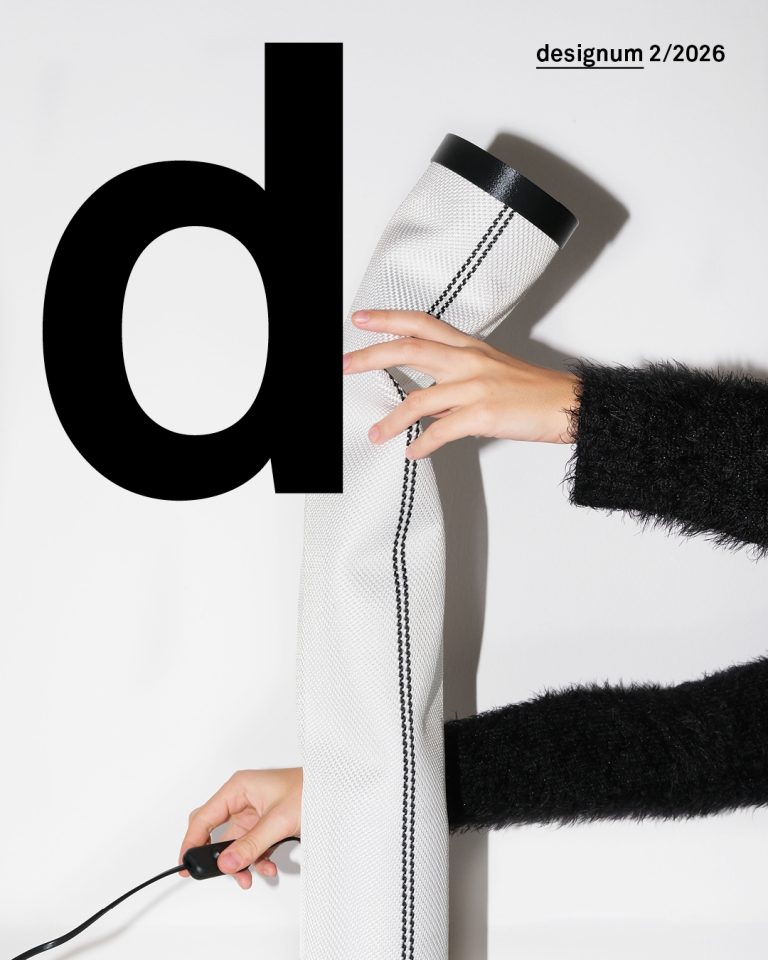
Designum 2/2026
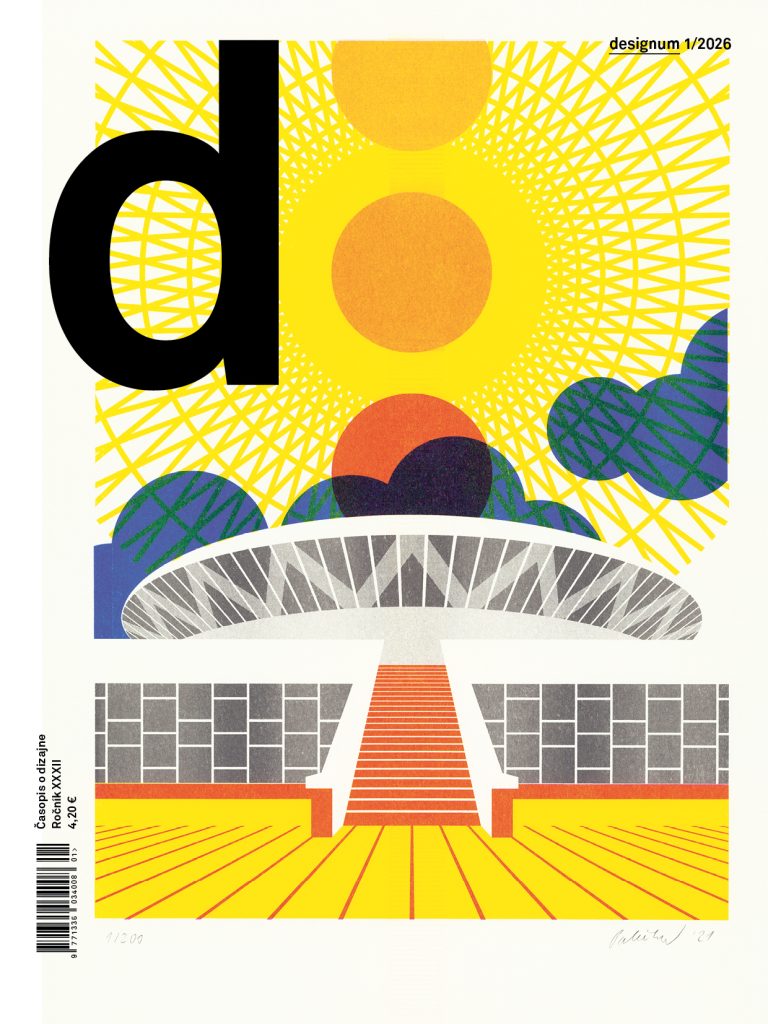
Designum 2/2026 focuses on the international positioning of Slovak design—on the ambitions of individual designers, the capacities of institutions, and the limitations of a system that still offers only partial support for a sustained presence on the international scene. Participation in prestigious platforms proves to be an endurance discipline: it builds confidence and sparks creative momentum, while also exposing the financial and organisational barriers that stand between high-quality work and its visibility.
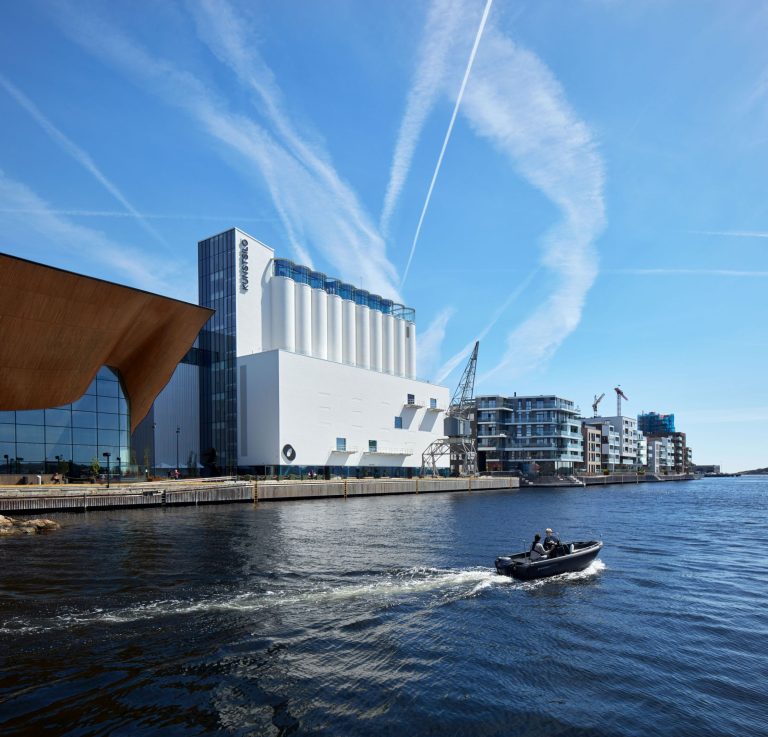
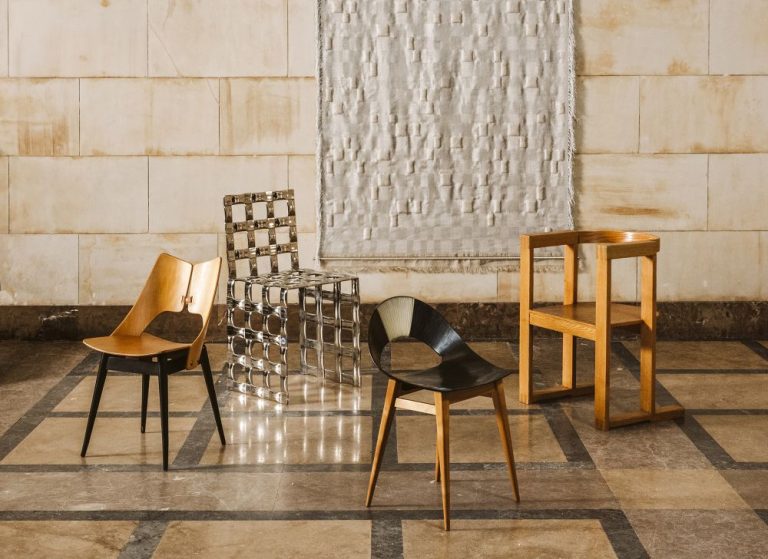
The issue centres on reflections on the 2026 Milan events—Salone del Mobile, Triennale Milano and Milan Design Week—which focused on circularity, inclusion and support for emerging talent. In their article, Tímea Kepová and Georgios Somarakis capture the ambivalence of the visitor experience: the powerful motivation to take part in global discourse alongside the concrete obstacles that make exhibiting without external support impossible. Veronika Pařízková’s report on “how the Poles took over Milan” points to the potential of systematic state support and curatorial policy, when design promotion, thematic selection and the strategic placement of exhibitions are effectively aligned. Our contributor Henrieta Gábrišová is also gaining experience abroad. For Designum, she has written about the transformation of a former grain storehouse into Kunstsilo in Kristiansand, Norway.
Typography forms another important strand of the issue. Ján Filípek’s report from the Fontstand International Typography Conference 2026 in Berlin highlights the role of professional communities and author-led initiatives in shaping a vibrant typographic environment. Mikina Dimunová’s expert reflection presents typography as a dynamic discipline operating across print, digital media, motion design and wayfinding systems, continually seeking new responses to changes in visual culture.
The local context is represented primarily through student work and research into design heritage. New Materialists, an exhibition conceived by Maroš Schmidt for Fórum dizajnu 2026, presents projects by students from four higher-education institutions that approach material as a partner in the design process—not merely as a carrier of form, but as a source of constraints, possibilities and meanings. The exhibition is reviewed by Wanda Borysko. Júlia Deáková’s research article on Milan Dobeš’s work for public space, together with Zdeno Kolesár’s contribution on the “Longauer canon” of applied graphic design in Slovakia, further develops Designum’s long-term commitment to systematically mapping and interpreting key figures in Slovak visual culture.
The typeface featured in this issue is Harmonia Seraphica by Tomáš Paulen. Conceived as a thoughtful revival of an eighteenth-century manuscript by the Franciscan priest Pavlín Baján, it brings tradition into dialogue with contemporary typographic practice through the headlines of this issue.