Transformational Image. Ceramic Art and Design by Juraj Marth in Public Space

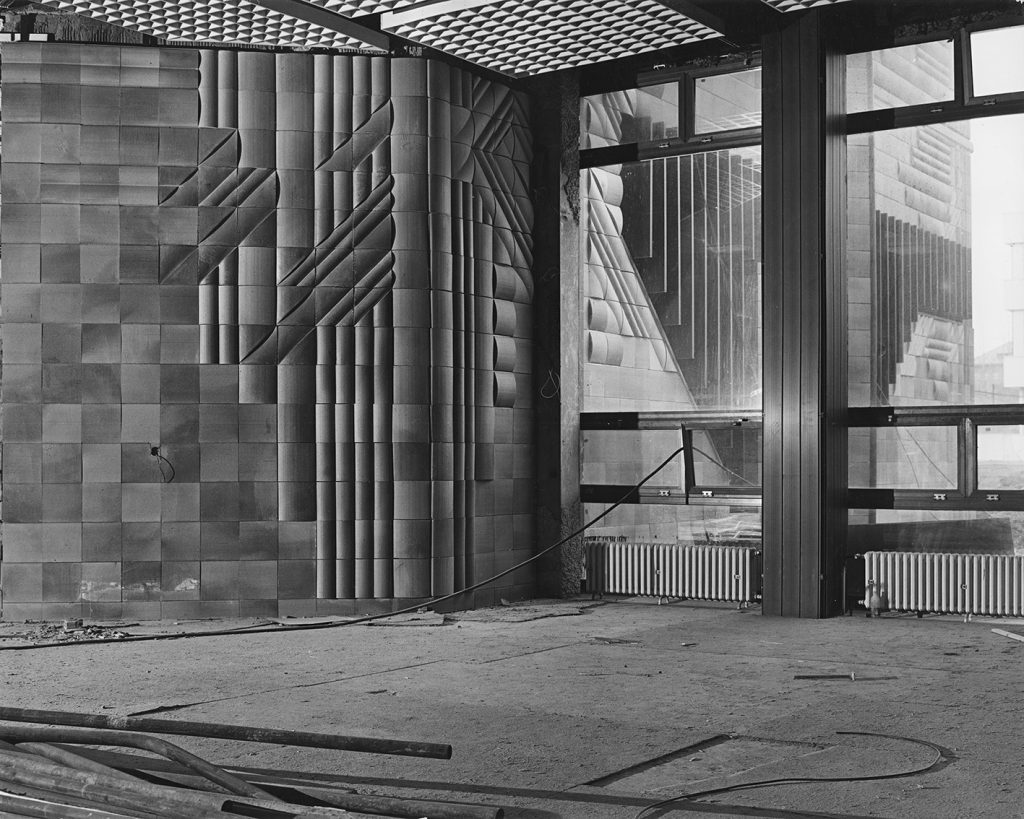
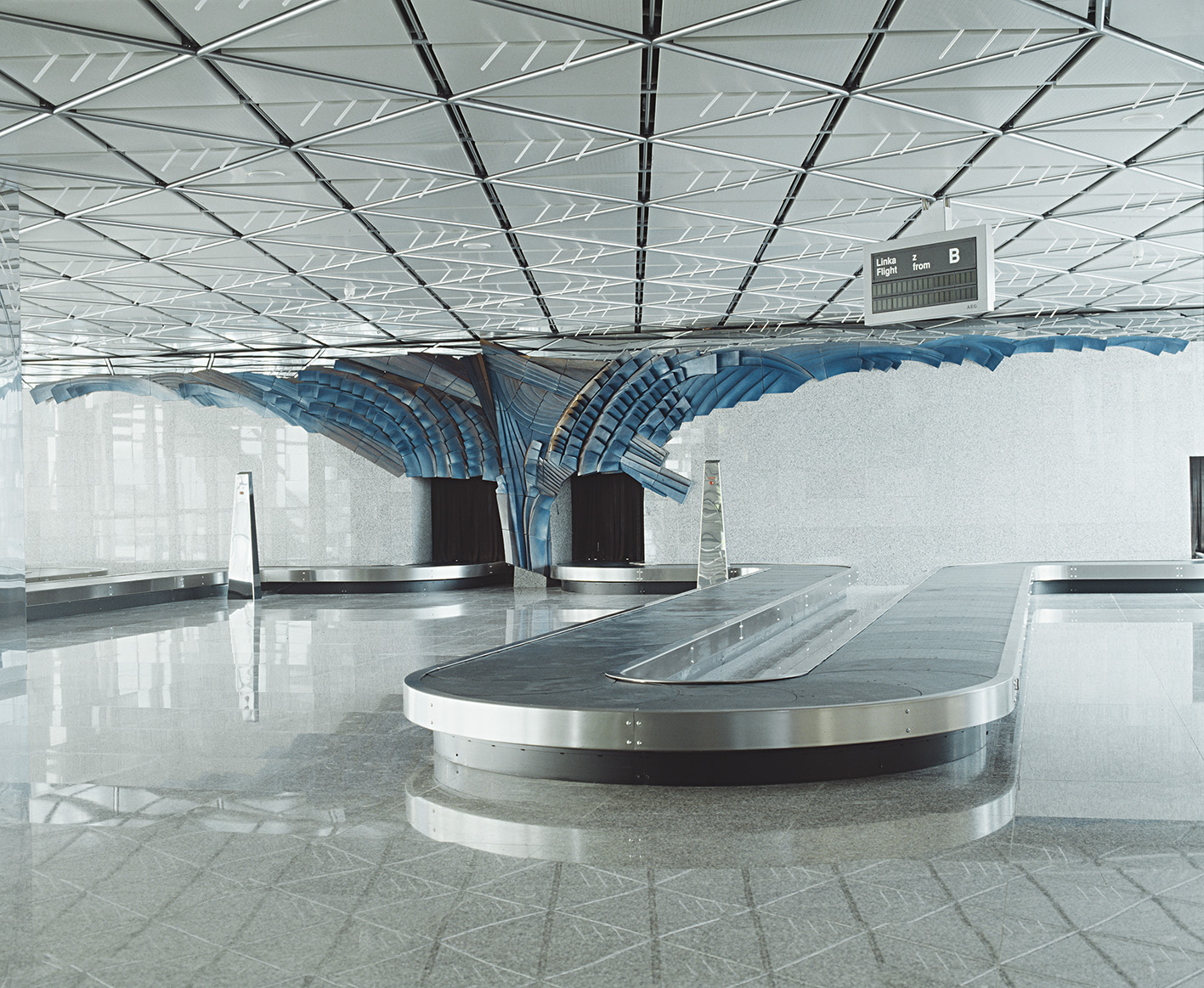
Today, few people in public discourse and within the professional community discuss the ceramicist, sculptor, and designer Juraj Marth (1939–2019), one of the pioneers of Slovak ceramics in the second half of the 20th century. From the late 1960s to 2000, you could discover Juraj Marth’s ceramic footprint in public spaces in almost sixty places in Slovakia. Today, there are (apparently) much fewer of them, and the erasure of works in public space continues unobtrusively and uncompromisingly. <br /> <br /> Since his student days at the Academy of Applied Arts in Prague (UMPRUM), he has built a consistent sculptural and design profile in parallel. His sculptures, fountains and bottles, containers, jars designed as unique items or limited series in the format of self-production can only rarely be found in Slovak museum collections, e.g. in the Slovak Design Museum or the Slovak National Gallery. In the following text, I aim to sketch the situation of Martha’s sculptural and design practice in architecture/public space in a short excursion.
Monumentality versus invisibility
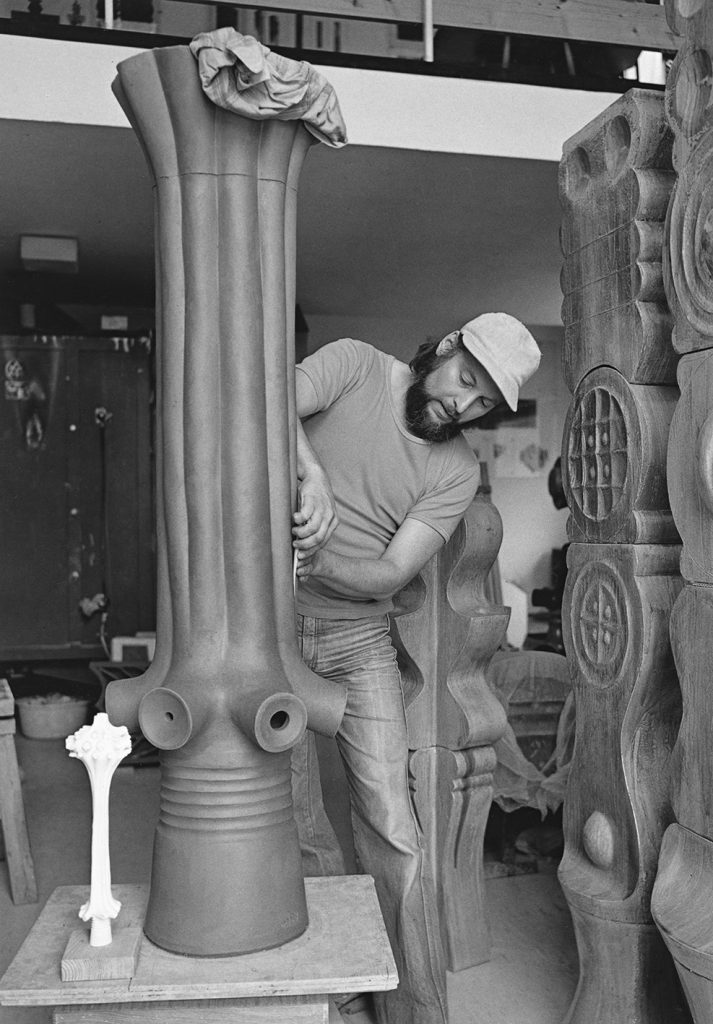
For Juraj Marth, clay was the first and essential choice. He completed secondary school (SŠUP, Bratislava, 1954-1958) and academic (VŠUP, Prague, 1959-1964) education in ceramics and, with few exceptions, worked as a freelance artist throughout his life. The reality of the ideologised, bureaucratised, and centralised operation of socialist art and design clearly defined the possible job positions for the trained “utility artist.” From the mid-1960s, the perspective of artistic production expanded unprecedentedly with the introduction of Chapter V of the Building Code, which established the legacy of Lenin’s monumental propaganda plan as a highly functional tool for exercising state power. One of the paradoxes of this strategy was that art and design in public space were simultaneously democratised and levelled in this game plan. As Tomáš Pospiszyl commented, “They were more an inventory of socialist ideological discourse than works of art and the artist’s self-expression.” They were ruins even at the time of their creation. After 1989, the change in political and social conditions brought a new kind of invisibility to public art; we pathologised it as an (old)new unwelcome stranger. Fortunately, not all of us. If ten years ago the state of this layer of our cultural heritage was primarily a question of activist rescue mapping and surveying of research terrain in a few cities/localities, today several activities and situations in the institutional and private spheres bear the signs of committed care. (See, for example, the long-term, interdisciplinary projects of Čierne diery, the development activity Art of the City of Bratislava Gallery, or Mátyás Zagiba’s research and presentation initiative focused on ceramics in the public space of eastern Slovakia.)
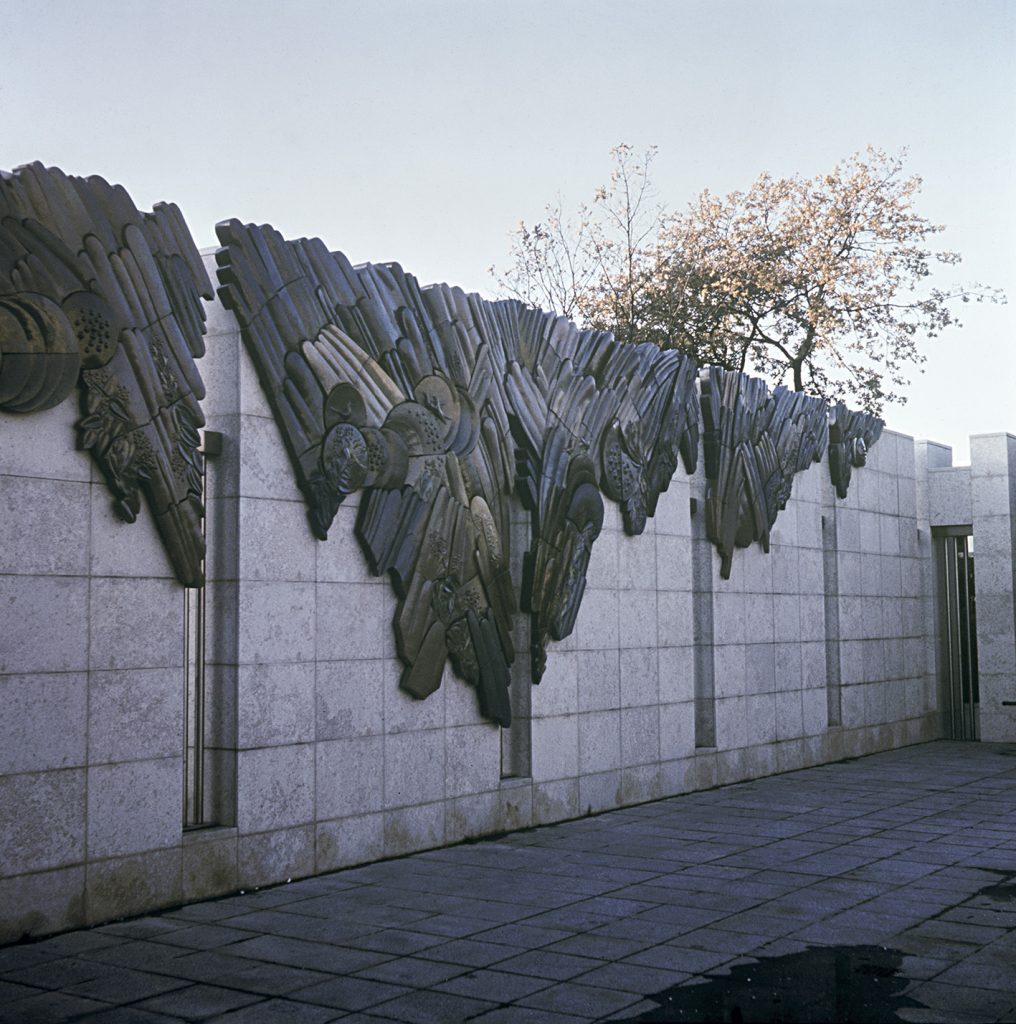
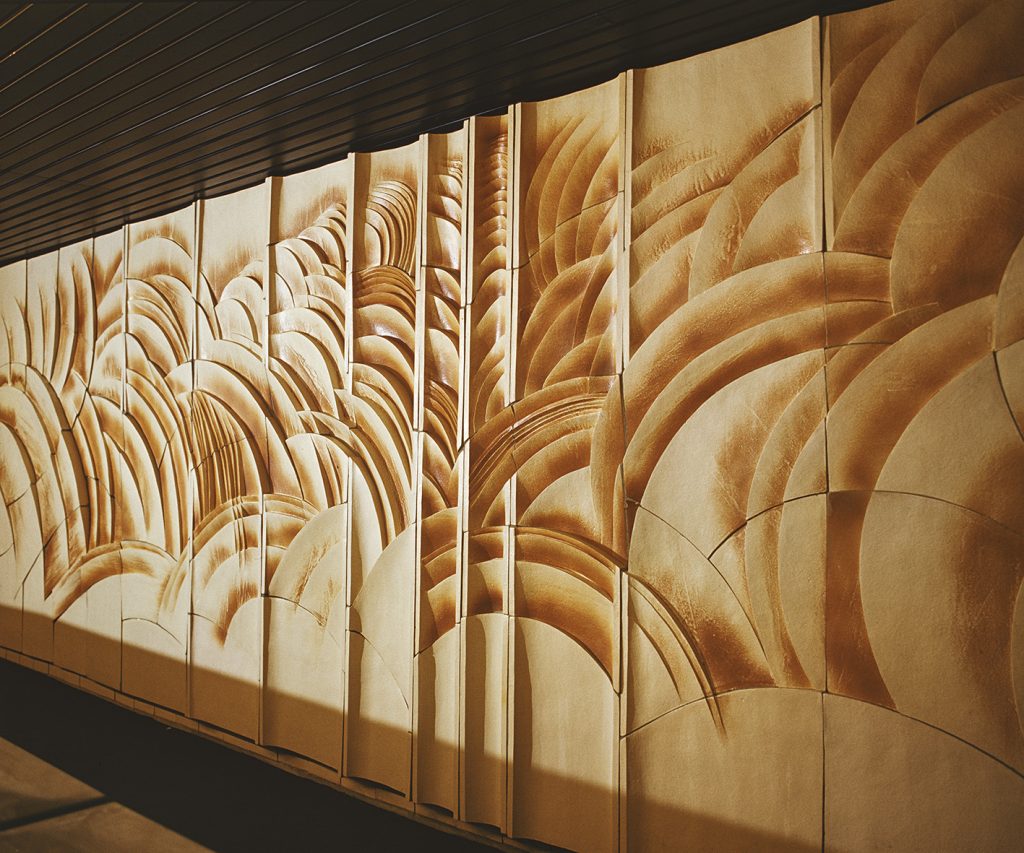
Ceramics for architecture became a mainstay of Juraj Marth’s work for almost three decades, similar to Imrich Vanek, a colleague from the Prague studies. Vanek went to the Czech ceramic factory RAKO in Rakovník to create monumental sculptures. At the same time, Marth prepared the components of his large-scale works in his own studio in Bratislava, where he settled permanently after completing his studies. His portfolio is dominated by interior works: monumental full-surface plastic walls, relief compositions, individual sculptures, and impressive systems of sculptures combined into the position of dividing walls.