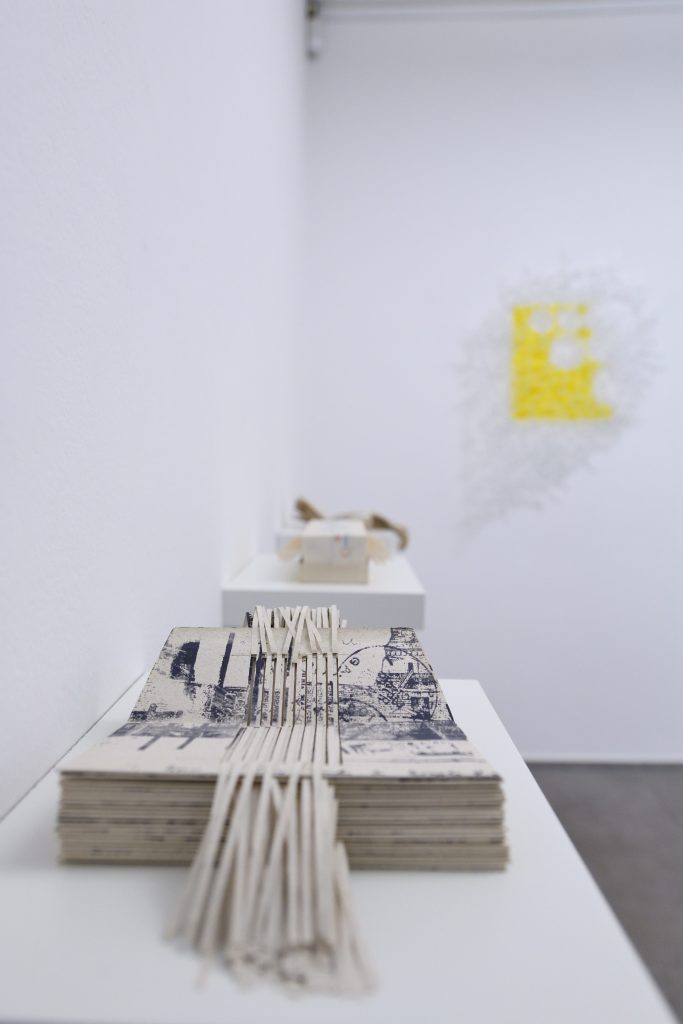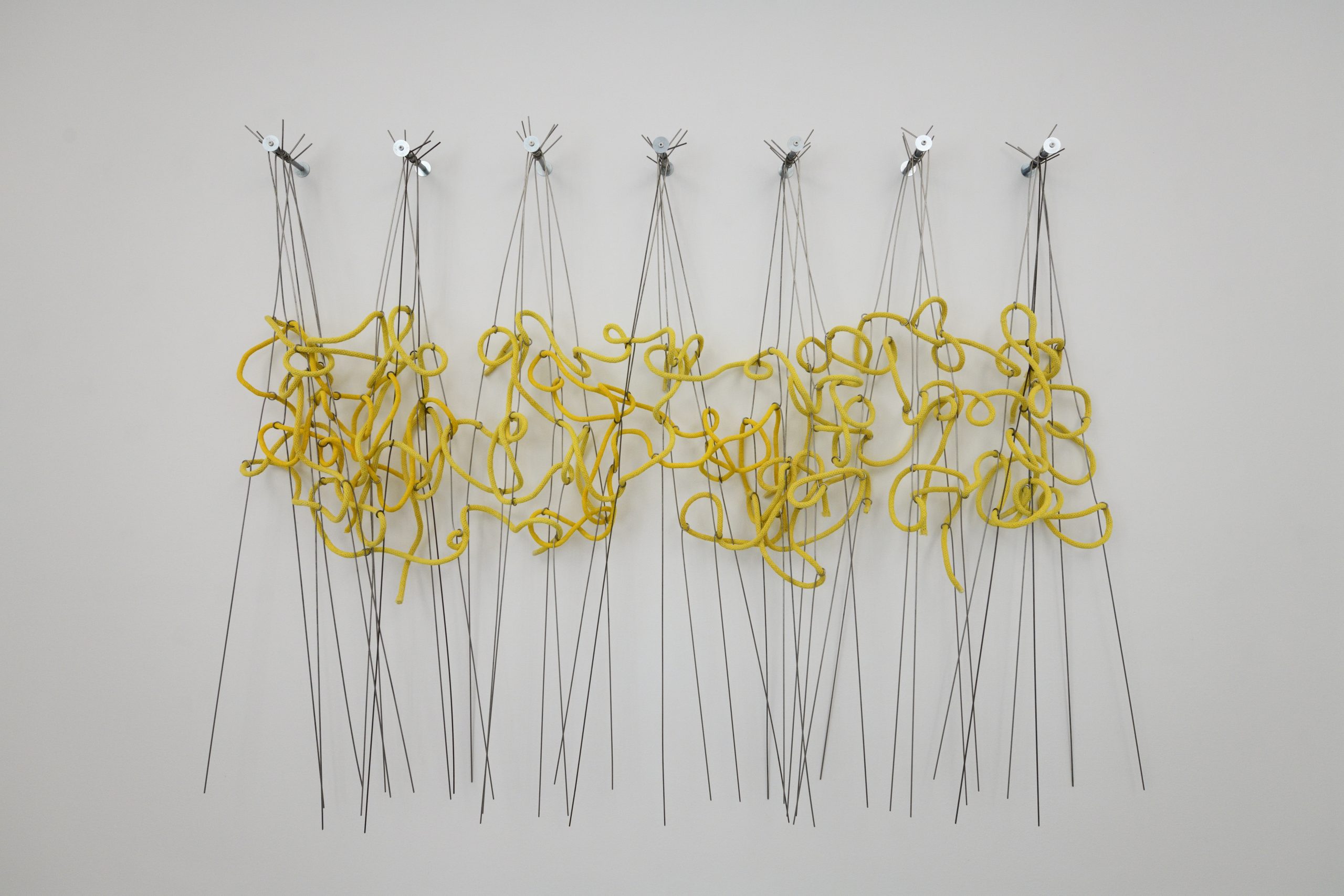
Jozef Bajus: An Example at the Intersection
The border between art and design can be very subtle. It depends on which side we are on, whether we lean more towards one or the other. We can set various criteria, thanks to which we can better define an author, object, product or installation. Lately, I have been dealing with similar topics precisely because I try to open a discussion with students or authors who find themselves in such an intermediate space between art and design. My interest was further intensified by Jozef Bajus’s exhibition Everything Stays in Gallery 19, his activity at the Academy of Fine Arts, but also by the commented tour within the exhibition. This sequence of events opened up important questions for me regarding discourse and discursiveness. Although I originally intended to focus on the events mentioned above related to Jozef Bajus’s arrival in Slovakia, I consider it essential to explore the topic of discursive practice and discursive design, based on several visits to his exhibition, Everything Stays. I therefore present my reflections, which will intertwine and react to each other. I will not only describe the exhibition mentioned above, its commented tour and Jozef Bajus’s activity at the Academy of Fine Arts, but the text will also include examples of two projects related to discursive design.
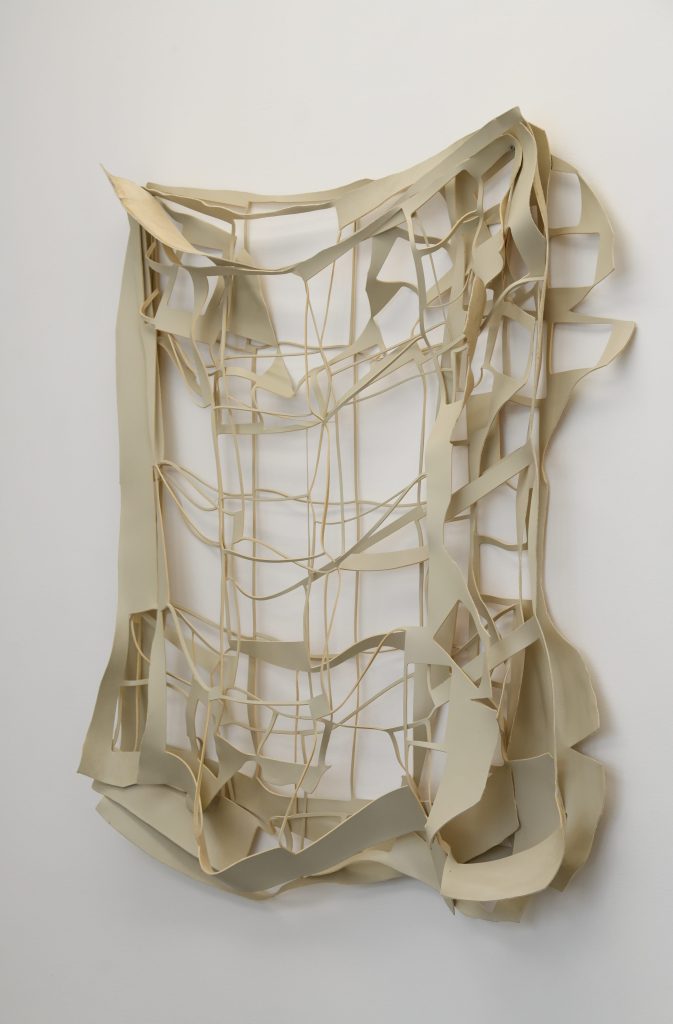
To begin with, I would like to present a few important facts from the life of Jozef Bajus (1958), which will further clarify where my thinking in this article will gradually go. After a year of studying at the gymnasium in Kežmarok, he transferred to the textile industry school in Ružomberok, to the newly opened fine arts department of textile design. After graduating from high school, he joined the Vladimir Ilyich Lenin Cotton Works in Ružomberok (BZVIL). Here, he worked in various professions related to designing and implementing patterns. He became familiar with the basics of raporting, preparing lithographs, making templates and also working on a printing press. Later, he advanced to the position of textile designer. He himself sees this period as very important. After a year at BZVIL, he got admitted to the Academy of Fine Arts in Bratislava. Cooperation with BZVIL continued, and between 1986 and 1989, he worked as an external collaborator. He prepared several patterns for collections on special themes, which were subsequently put into production. He remembers this period as important, seeing it as a space during which, as he himself states, “my sense of aesthetics and sense of reality sharpened.” During his studies at the Academy of Fine Arts, he mainly focused on weaving tapestries. Collaborations with The Centre for Folk Art Production (ÚĽUV) followed, in which his designer collections of knitted sweaters and other accessories called Posuny were created. Experience with blueprinting in Mr Trnka’s workshop in Púchov brought him new stimuli and inspiration. However, he gradually moved from traditional textile techniques and textile design to experimentation. From designer to artist, the concept began to take a strong place in his works. He discovered interesting combinations of materials, and his works acquired two- to three-dimensional space, transitioning quite naturally into larger installations. In 2013, he prepared a solo exhibition, Long Distant Calls, which was presented at the Bratislava City Gallery as part of the Henkel Slovakia to Slovakia project. Since his studies at the AFAD to the present day, he has participated in a large number of home and abroad solo and group exhibitions.