Design in Besieged Sarajevo
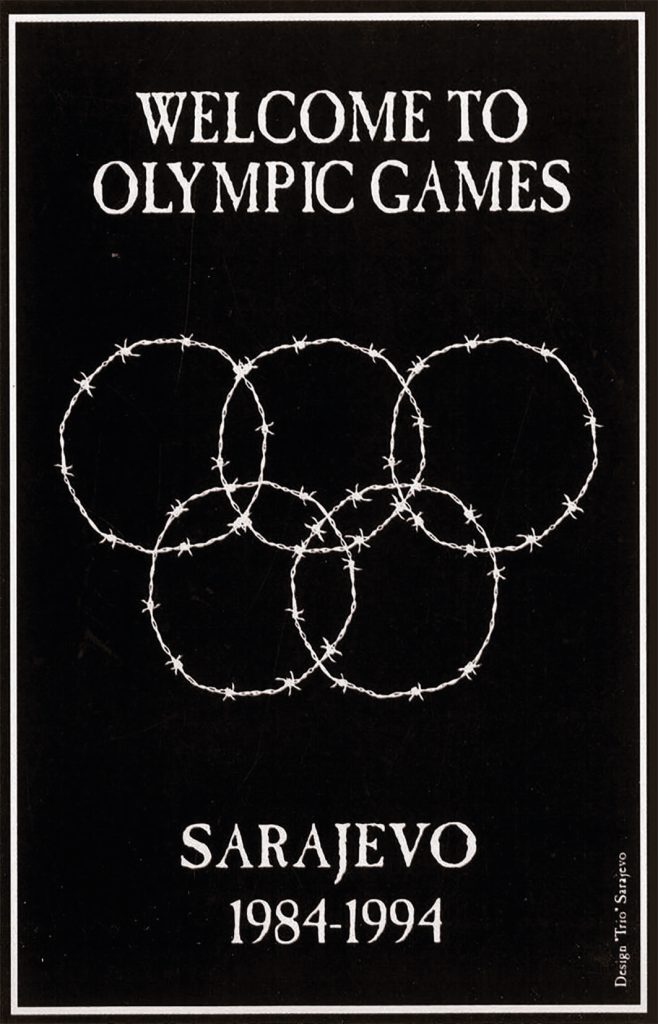
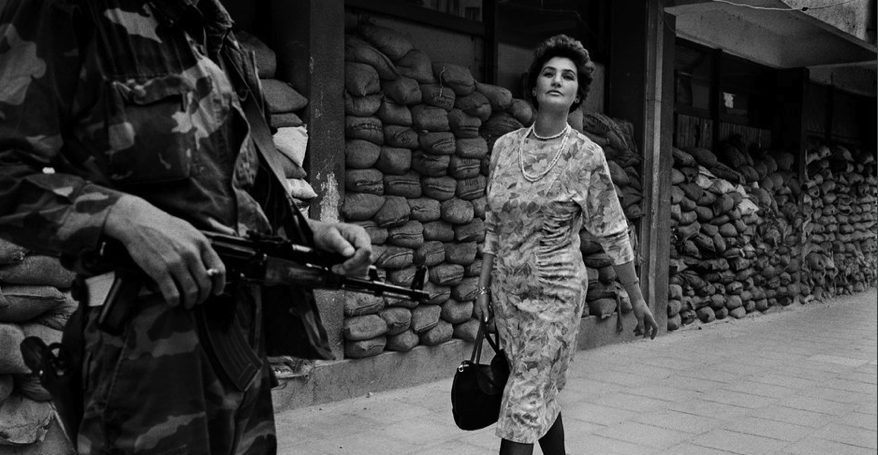
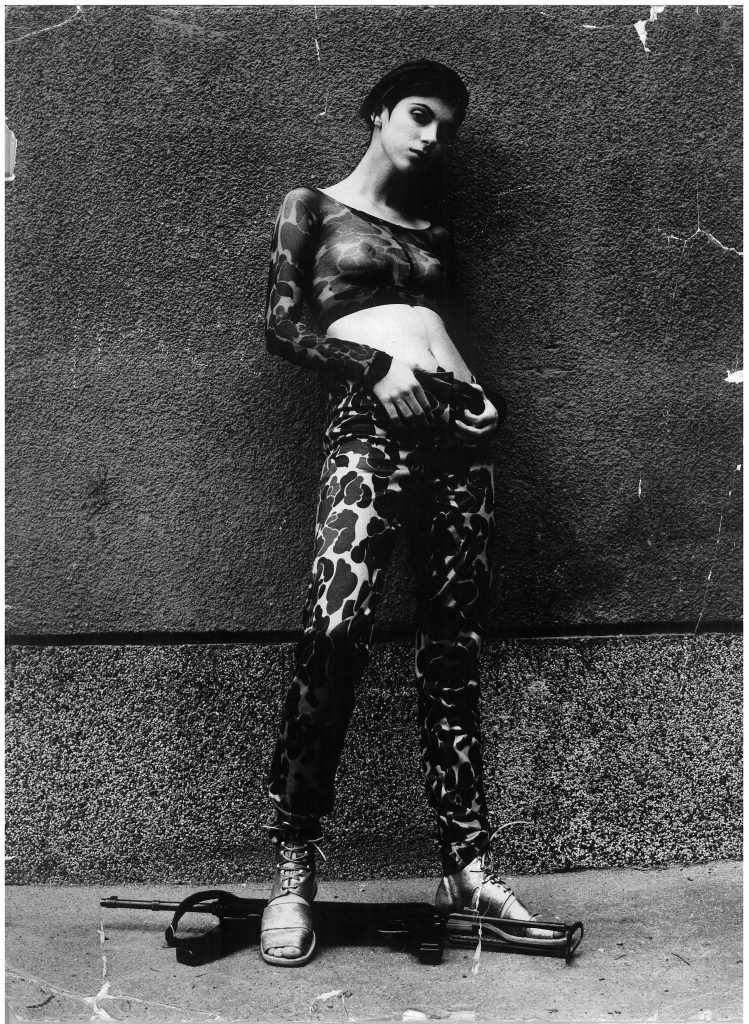
Design production in Sarajevo during the siege can be divided into two parts. The first aimed to meet basic physical needs and involved the invention and production of weapons, ammunition, household items, hygiene products and other tools, with terror serving as “a constant driving force in Sarajevo’s culture of design improvisation.” The second concerned the strengthening of the spirit and moral expectations and was a significant factor in the field of engaged design and propaganda apparatus.
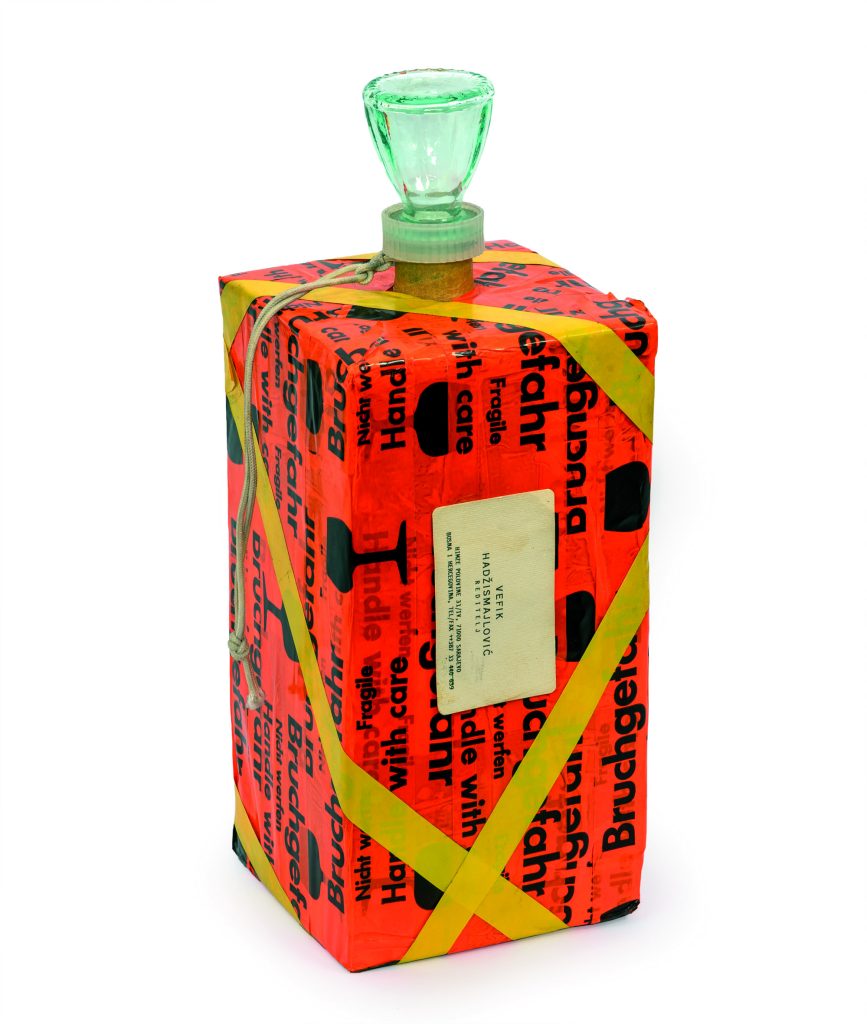
The fact that “during the siege, design ingenuity was much more than just an individual physical need for survival” speaks to the type of creativity that enthusiasm for creative work took to a higher level. The preserved original products that were created in the besieged city, such as the thermos flask made out of necessity by the Sarajevo art historian, and then director of the National Art Gallery of Bosnia and Herzegovina Vefik Hadžismajlović, or the wood-burning stove constructed by the archaeologist and then director of the Provincial Museum of Bosnia and Herzegovina Enver Imamović, are exceptional testimonies and significant contributions to the ethnography of besieged Sarajevo.
The two cases mentioned are exemplary because they speak of the degradation of civilisational values and the extreme conditions in which intellectuals and scientists are forced to resort to skills and improvisation in creation, simply to survive. The objects patched together from discarded objects and without the possibility of being included in sophisticated production point to the horror of life and survival in a besieged city on the threshold of the 21st century.
The existing industrial facilities that remained available in the besieged city, along with their skilled workforce, were converted into workshops for the design and creation of individually manufactured essential items, under private and occasional agreements. From this perspective, it is difficult to speak of organised production, and the crisis caused by the cessation of the flow of goods was also not in favor of this isolated activity. Ingenuity and inventiveness were required. Creatives were forced to produce new items from discarded or broken objects. The emergence of new products can be compared to the emergence and development of a microeconomy that “transformed waste into valuable survival items.”
Witnesses recall that special clothing items were produced to transport goods through the so-called “rescue tunnel.” Since it was a vital transportation artery between the besieged city and the free territory, 785 meters long, 1 meter wide and 1.5 meters high, it was necessary to invent and create special ways to transport goods and various necessities. Therefore, special coats or cloaks with large pockets were designed, into which the transported goods were placed. Such a product would appear grotesque and almost morbid under normal conditions. Still, in the Sarajevo case, it is a significant design artefact, just like other objects of this type, testifying to primordial utilitarianism adapted to new economic conditions, or rather, the black market. Based on the occurrence of these and similar objects, their existential role and significance in the besieged city can be reconstructed and understood as a story about its inhabitants’ creative ingenuity.