Return To The Roots. 13th International Design Biennale in Saint-Étienne
Since its first year, the International Design Biennale of Saint-Étienne has been profiled as a civil exhibition that critically responds to the currently dominant commercial dimension of design. It focuses on finding its role in a responsible civilisational direction. Instead of a superficial spectator attraction, it offers more stimuli for reflection on its deeper, more meaningful and more humane content. However, recent editions have deepened the conceptual nature of the Biennale and, with the dominance of long texts, have resembled conferences with posters in which participants verbally present abstractly formulated ideas rather than a presentation of design. This year’s “return to the roots,” taking place between May 22 and July 6, did not represent a resignation from responsibility in design, but brought an emphasis on the physical presentation of design artefacts.
Each of the previous editions of the Biennial has had its own central theme. For example, empathy, beauty or the work of the future. This time, it was resources and their significance in the future. In the French original Ressource(s), présager demain, in the English translation Resource(s), foreseeing the future. A compromise Slovak version could be Zdroj(e), predpoveď budúcnosti. In the Biennial catalogue, its scientific curator, Laurence Salmon, explains the title as anticipating a future dependent on resources, with “resources” being interpreted in a wide range from material to intellectual and cultural. According to her, a paradigmatic shift is currently underway, in which we must abandon the exploitative strategies developed since the Industrial Revolution. This is well illustrated by Saint-Étienne with its mining past and the search for ways out of the decline of traditional industries. Today, human capital (know-how, experience, etc.) appears to be the most important resource. At the same time, attention must be paid to local resources tied to territorial specificities. These, too, represent a valuable source. In this context, Laurence Salmon asks herself key questions: What resources can designers work with to prepare us for the future? What must they do to cope with the complicated situation of the multi-layered crisis that we are currently facing?
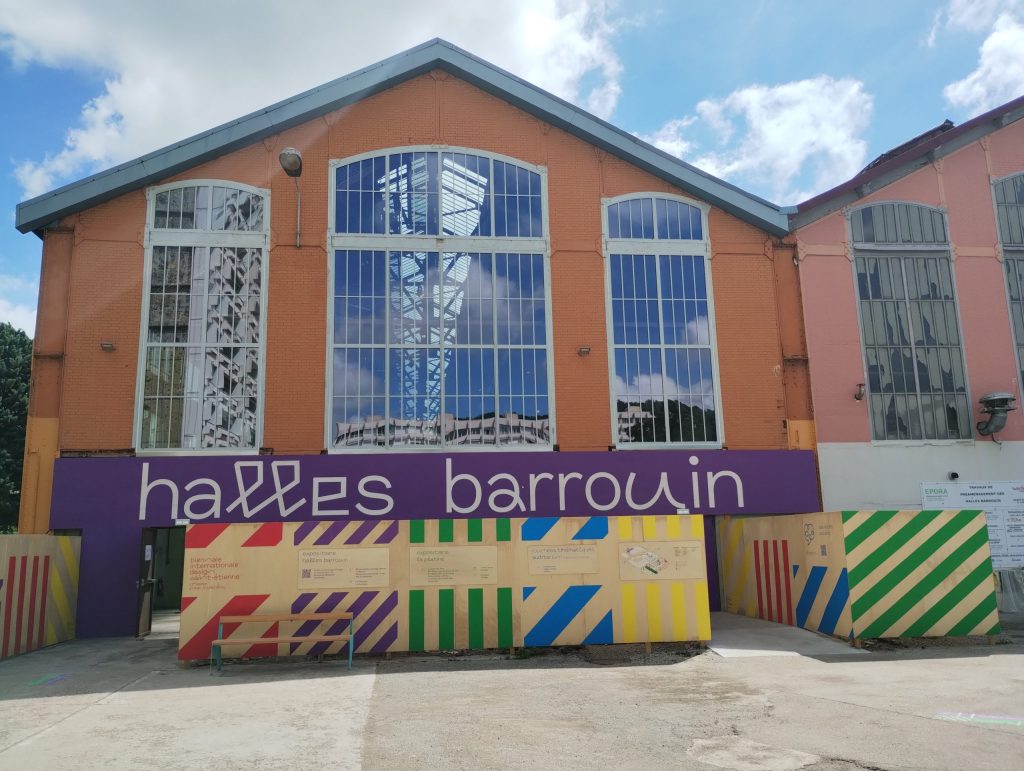
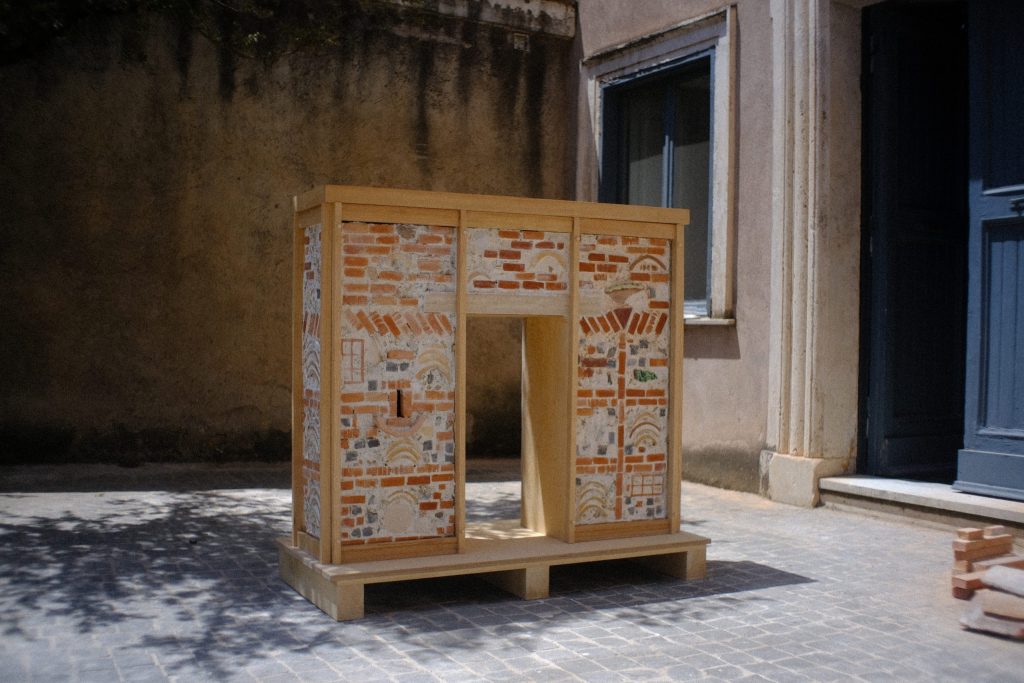
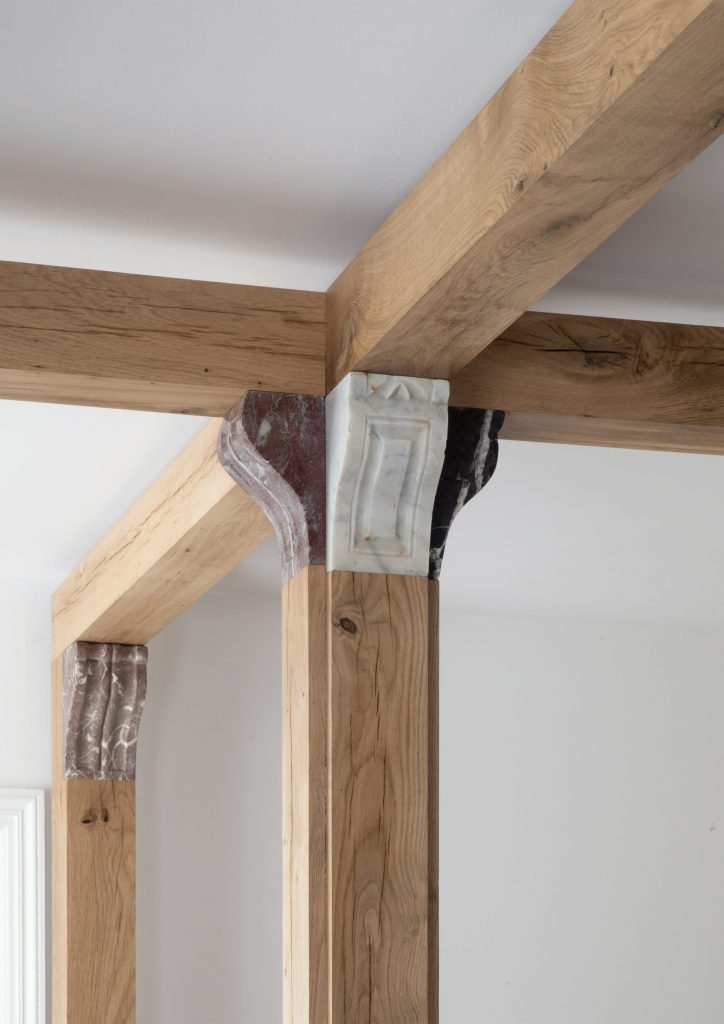
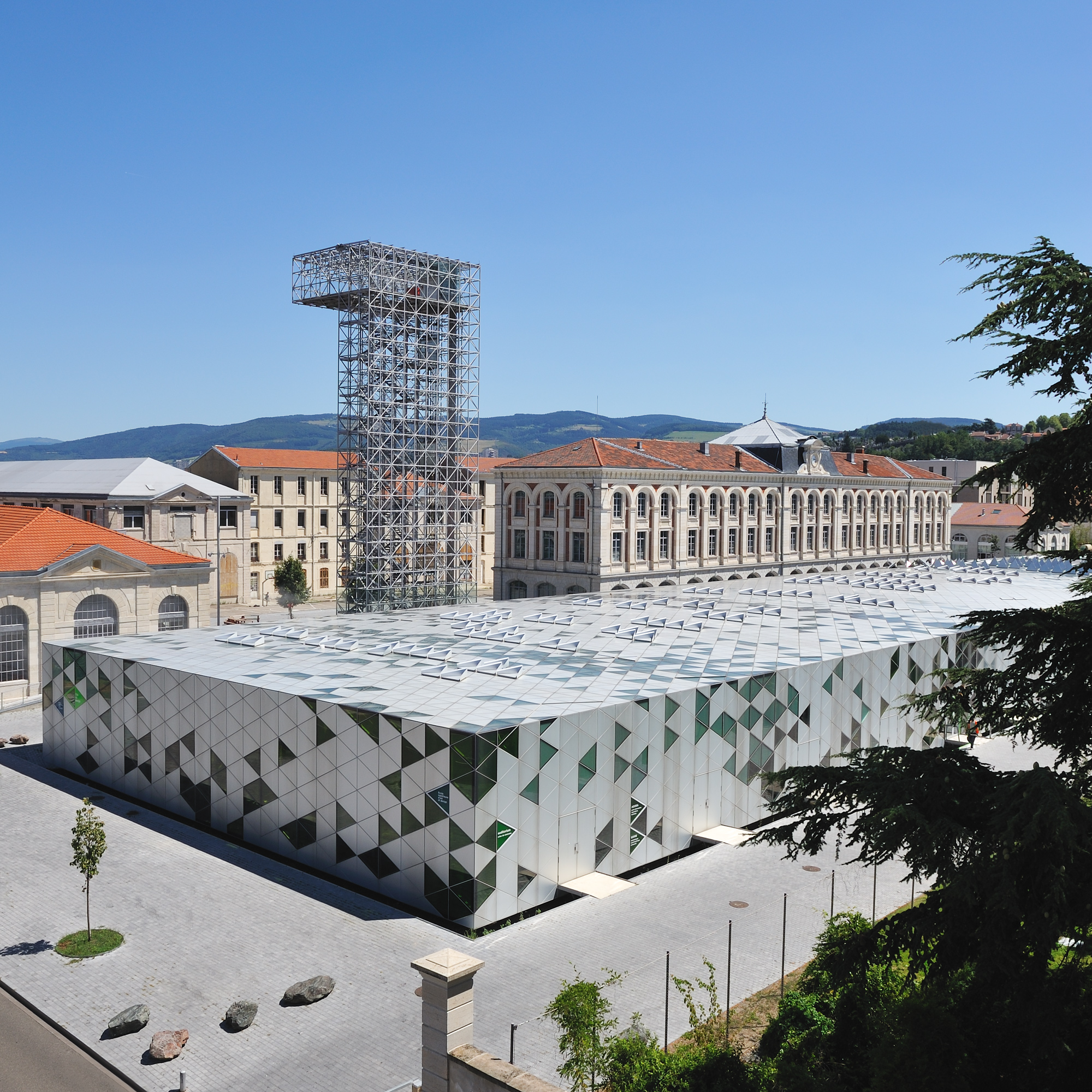
The exhibition in the vast Barrouin Hall, where mining machinery was once manufactured, primarily addressed the above questions at this year’s Biennale. While in the past the Biennale mainly engaged historians and design theorists or philosophers as curators, this time designers were given the main word. Nine designers of different ages and creative orientations were tasked with identifying sources of lasting civilisational sustainability in the context of the Anthropocene, a period marked by the depletion of natural resources and humanity’s disruption of the Earth’s ecosystem through its activities. In previous years, the Biennial often focused on pessimism and the collapse of civilisation; this time, it was about a positive search for ways out of the current crisis situation. Knowing that there is no simple solution and that every idea and project must be thoroughly examined. The challenge for the curators was the basic meaning of the design profession. In connection with the need to reconsider current methods of production and consumption, they focused on identifying and critically reflecting on the tools of design activities.